

Getting Your Roof Ready for Summer Heat
As summer approaches in Tasmania, it’s a good time to start thinking about how your roof will handle the heat. While the warm season brings clear skies and longer days, it also exposes your roof to higher temperatures and strong UV rays. Whether your home has metal sheeting or tiled roofing, the summer sun can push its limits, especially if it’s been a while since it was last checked or maintained.
Roofs that aren’t properly prepared for the warmer months can show signs of wear much faster. Cracked tiles, leaks and poor insulation often become more noticeable under extreme conditions. That’s why a bit of preparation before summer fully sets in can go a long way. Getting your roof ready now means fewer headaches later on, especially during heatwaves or sudden summer storms that pop up across Tasmania.
Inspecting Your Roof for Damage
Before doing anything else, give your roof a proper once-over. Small issues that go unnoticed in cooler months tend to show up fast when the heat kicks in. A cracked tile or a warped flashing might not seem like a big deal at first, but over time, they can grow into much bigger problems if left untreated.
What you're looking for during this inspection isn’t just surface-level wear. It’s about spotting possible weak spots that might get worse over summer.
Here’s a list of things you or a roofing technician should check:
1. Cracked or broken tiles on tile roofs
2. Rust spots on metal sheets
3. Loose ridge caps or flashing
4. Discolouration or water marks in your ceiling that could suggest a leak
5. Sagging sections around gutters or roof edges
6. Blocked valleys where debris tends to collect
If you have an older property, it’s a good idea to pay extra attention. For instance, older terracotta roofs might show early signs of crumbling under their glaze, which lets water work its way in during a summer shower. While you can do a visual check from the ground or using binoculars, it's safer and more effective to have a professional inspect the roof closely, especially if repairs are needed before the heat settles in.
Cleaning Your Roof
After an inspection, the next step is to give your roof a solid clean. Over time, dirt, fallen leaves and built-up grime can hold moisture and add extra weight to the structure. Even more worrying, mould, algae and lichen thrive in damp areas and can begin eating away at your roofing material. Cleaning helps clear all of that off and gives your roof a much better chance of lasting through summer in good shape.
Start by clearing out leaf litter and debris from gutters and roof valleys. These areas often pile up with organic matter, especially under overhanging trees or after a wet winter. If they're left full, the water backs up and forces itself under your tiles or edges, leading to leaks and warped timber.
Cleaning methods will vary depending on the type of roof:
1. For tiled roofs, using a soft-bristled broom and low-pressure water is safer than high-powered washers that might loosen tiles or cause surface damage
2. Metal roofs can usually handle more force, but it’s still worth being gentle if the paintwork is old or beginning to fade
3. Avoid harsh cleaning chemicals, as they can reduce the lifespan of coatings or paintwork
Doing this kind of cleaning not only improves the look of your house from the street but also gets rid of the grime that makes roofs get hotter in direct sun. A clean surface reflects more heat away, unlike a layer of dirt or moss which soaks it up and transfers it into your ceilings below.
Ensuring Proper Insulation
Once your roof is clean and damage-free, it's worth turning your attention to what's underneath — the insulation. A well-insulated roof can make a noticeable difference in keeping your home cooler when the sun is at full strength. Without good insulation, you could end up with rooms that feel like ovens, especially during Tasmania’s hotter days.
Most homes in the region already have some level of insulation, but over time it can shift, settle, or become less effective. Gaps in the material or thin areas are usually the culprits behind uneven temperatures indoors. Roof cavities with poor coverage tend to trap heat like a greenhouse. You might not notice it until that one room feels unbearable in the afternoon.
If you’ve had any work done on your roof, such as repairs or retiling, it’s possible that insulation may have been removed or disturbed. Checking this now gives you time to fix it before summer really kicks in. It's also worth looking for insulation types designed to handle fluctuating weather like Tasmania's, where summer heat can roll in suddenly after a mild morning.
Adding reflective foil or insulative batts designed for high temperatures could be a simple way to reduce heat transfer from your roof to your living space. These materials help push heat back out, so your ceiling doesn’t absorb as much of it. In some homes, this can lead to better indoor comfort and reduced strain on fans or AC units during long stretches of sunshine.
Protective Roof Coatings and Painting
Another step that helps prepare your roof for harsh summer sun is applying a heat-reflective coating or paint. These aren’t just cosmetic upgrades. The right type of paint or coating can act as a barrier against UV rays and help shield the roofing material from expanding and cracking in direct heat.
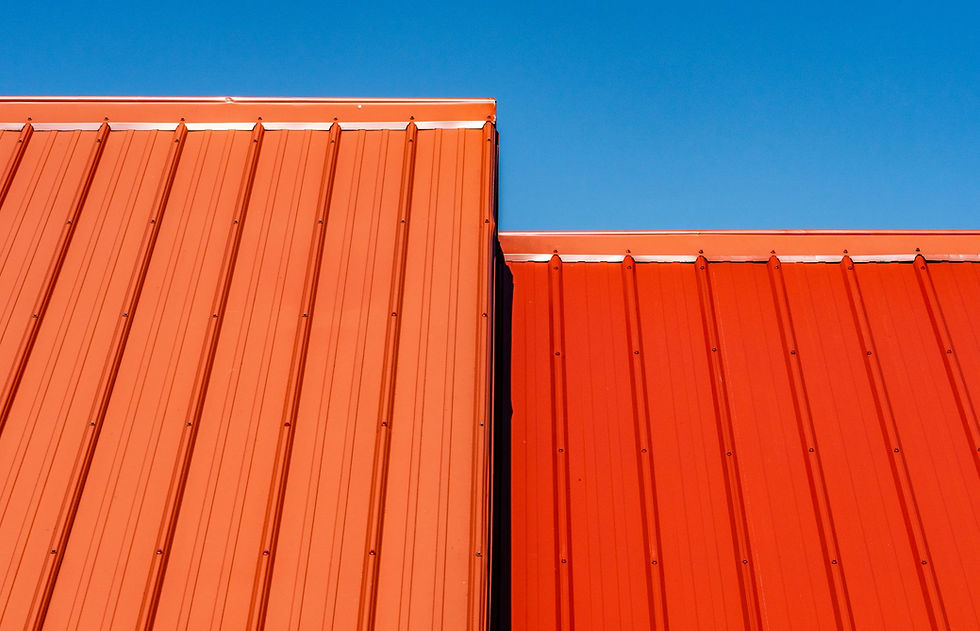
Tile roofs, especially older ones, can start breaking down from sun exposure over time. A fresh coat of sealant adds a layer of protection and can extend the roof’s life. For metal roofs, specialised coatings help prevent fading, rust, and warping. They also work to keep the metal cooler, which helps manage the heat that builds up in your ceiling spaces.
Here are a few benefits of roof coatings for homes in Tasmania:
1. They help reflect sunlight and reduce surface temperatures
2. They can slow down general wear caused by harsh weather
3. They give your roof a cleaner, more finished look
4. They reduce how much radiant heat enters your home through the roof
5. Some coatings can also make the roof more resistant to mould
One useful tip if you're considering painting is to choose lighter colours where possible. These shades absorb less heat, meaning your roof stays cooler even during the peak of summer. You may have seen some homes in Tasmania swap out older dark colours for newer white, light grey or soft green finishes. The difference in heat gain can be pretty noticeable on those especially hot days.
Benefits of Professional Roof Maintenance
While inspections and cleaning are a good start, it really helps to have an experienced roofer walk you through the rest. A trained eye can spot early signs of stress or damage that most homeowners would miss. From small hidden cracks to the beginnings of sagging underlayers, they’ll know what to look for and the best way to fix it before the warmth turns into a problem.
Professionals can also check that flashing is tight, gutters are sealed well against the roofline, and any coating or membrane is doing its job. These checks are small but can make a big difference. Gutters that shift even slightly out of place can send water rolling into places it shouldn’t be, especially after a heavy downpour following a sunny week.
Professional servicing also gives you peace of mind. Roof specialists come with the right tools, safety equipment, and experience to handle jobs efficiently. Unlike trying to fix things yourself, they offer a level of consistency and care that keeps your roof stronger for longer. So instead of spending a summer worried about every creak or drip, you can relax knowing everything above your ceiling is sorted.
Ready Your Roof for the Tasmanian Summer
Getting your roof prepared for summer isn’t just another thing on the to-do list. It’s a way to avoid stress and protect your home from extra costs down the track. A clean roof, proper insulation, and fresh coating all work together to keep the heat where it belongs: outside.
Whether your roof is made of tile or metal, the Tasmanian sun doesn’t go easy on homes during the warmer months. Regular checks and a bit of maintenance go a long way. Looking after your roof now means cooler rooms, less damage and fewer headaches in the middle of the season. A strong and prepared roof keeps you one step ahead of the elements.
Get your roof prepared for the Tasmanian summer with the expert care it needs. At Stevenson Roofing, we know the ins and outs of keeping homes cool and protected. If you’re looking for reliable roofing in Tasmania, explore how our team can help keep your home safe and comfortable all season long.


Comments